How Asset-Map and Quin Keep a Household's Numbers Current After Every Call
August 6, 2026

A client calls to say they refinanced their mortgage, moved a rollover IRA to a new custodian, and picked up a term life policy through their employer. The call was really about their daughter's wedding, so the mortgage number is the only detail you remember to jot down. Three weeks later, the mapped picture is already behind reality.
What Tends to Get Missed
- New accounts opened between reviews. A client mentions a new rollover or brokerage account, and since the call wasn't a formal planning meeting, it never makes it onto the asset list.
- Insurance changes. A lapsed term policy or a new employer policy gets mentioned once, then has to be remembered days later when someone opens Asset-Map.
- Debt that's been paid off or restructured. A refinanced mortgage or a paid off auto loan changes the liability side but rarely feels urgent enough to update right away.
- Small balance updates. A few thousand dollars moved between accounts feels too minor to interrupt a call for, so it gets left for later, and later never arrives.
- Beneficiary or ownership changes. A client adds a spouse to an account or names a new beneficiary, a detail that matters enormously later and is easy to lose in a busier note.
How Quin Handles It
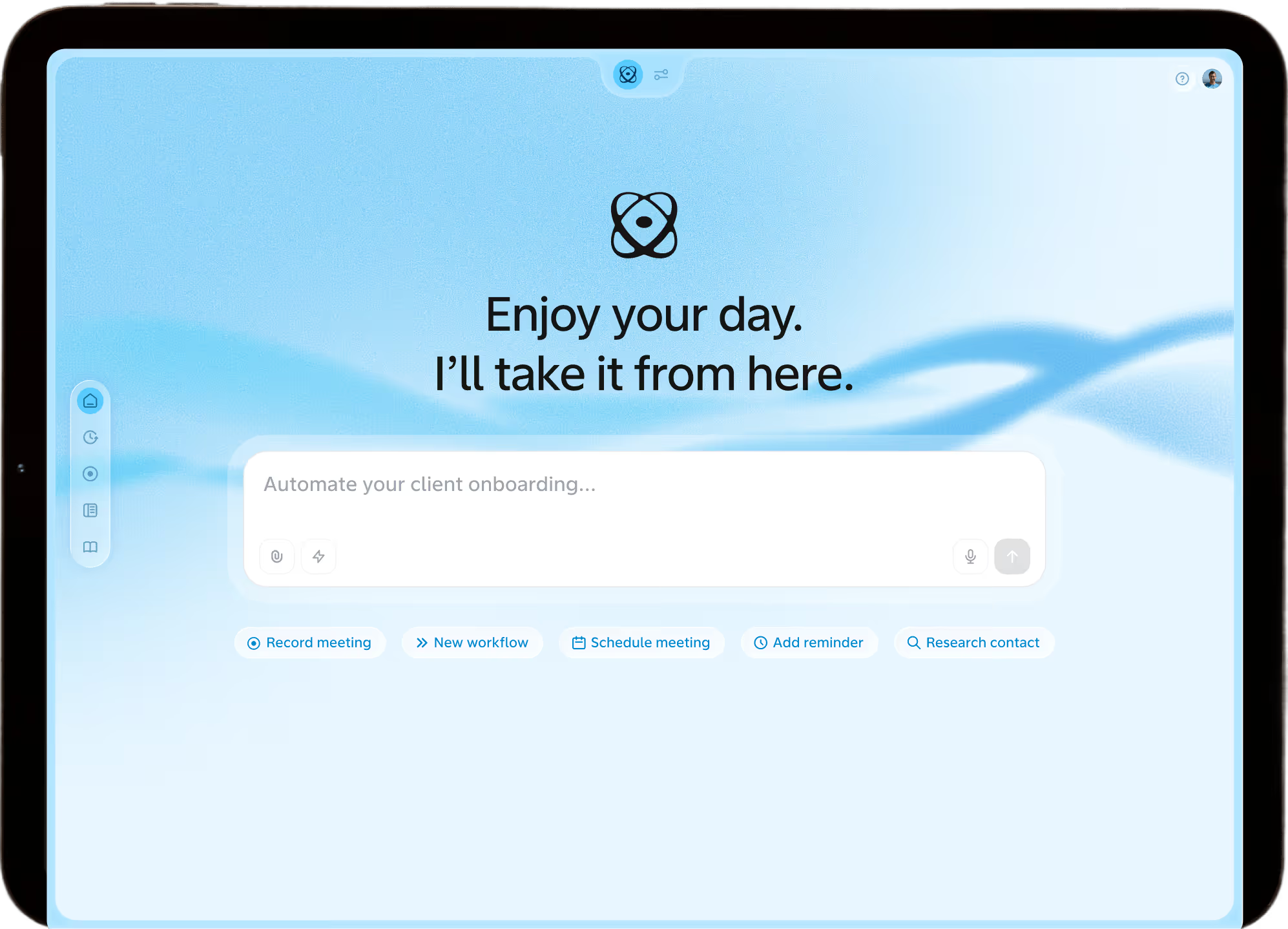
Quin's Notetaker sits in on the call, video or phone, and listens for the financial details that come up: account numbers, policy changes, balances, anything touching income, assets, liabilities, or insurance. When the call ends, Quin adds those updates to the household's record in Asset-Map, so the instrument list reflects what was discussed instead of what got remembered later.
Picture a mid-year check-in where a client mentions, almost as an aside, that they moved a rollover IRA to a new custodian and increased their term life coverage after a physical. Quin catches both details and updates the instruments, and the change is visible the next time anyone opens that map, whether that's the advisor or a colleague covering the case.
Quin works within a household that already exists in Asset-Map. It won't create a brand new household on its own, since Asset-Map's API only supports updates to a household already set up there, so a new relationship still starts in Asset-Map directly.
The value isn't just fewer manual updates. It's that the map pulled up mid-meeting matches what's true. A map that's a quarter behind doesn't just look sloppy. It can lead to a recommendation built on numbers that no longer hold.
Best Practices
- Say specific numbers out loud, not just topics. Naming the new balance, the policy amount, or the payoff figure gives Quin something concrete to log.
- Turn on the Notetaker for every client call, not just formal reviews. The details that update a household's Asset-Map often come up in shorter, less formal calls.
- Check the updated record after the first few calls. It's the fastest way to confirm Quin is capturing the level of detail you need.
- Set up new households in Asset-Map directly. Quin updates instruments for households that already exist there, but a brand new relationship starts in Asset-Map first.
Setting It Up
Connect Asset-Map under Settings, then Integrations, using an API key from your Asset-Map account, and make sure the Notetaker is turned on for the meetings where these details come up.
#skills