Getting Meeting Action Items Onto Your Trello Board
August 6, 2026

A sales call wraps with three things settled out loud: send the proposal by Friday, loop legal in on the contract terms, and book a demo for next week. Whoever took notes closes the laptop and moves to the next meeting. Two days later, none of it exists on the Trello board. The proposal card was never created, legal never got tagged, and the demo slips because nobody opened Trello to add it. A verbal commitment lives in memory for a few hours, then loses out to the rest of the day, and by the time anyone circles back, the details have gone fuzzy.
What Tends to Get Missed Between the Call and the Board
- Verbal commitments that stay verbal. A rep says "I'll get that card set up," and the sentence becomes the only record of it.
- Due dates that live in the transcript, not the card. Friday gets mentioned on the call, but the card made later has no due date.
- Assignees left blank. Whoever enters the card afterward often doesn't know who owns the follow-up.
- Cards landing in the wrong list. A card meant for "In Progress" gets dropped into a default list.
- Descriptions with no context. A card titled "Follow up" forces someone to dig through notes.
How Quin Turns What Happened in the Meeting Into a Card
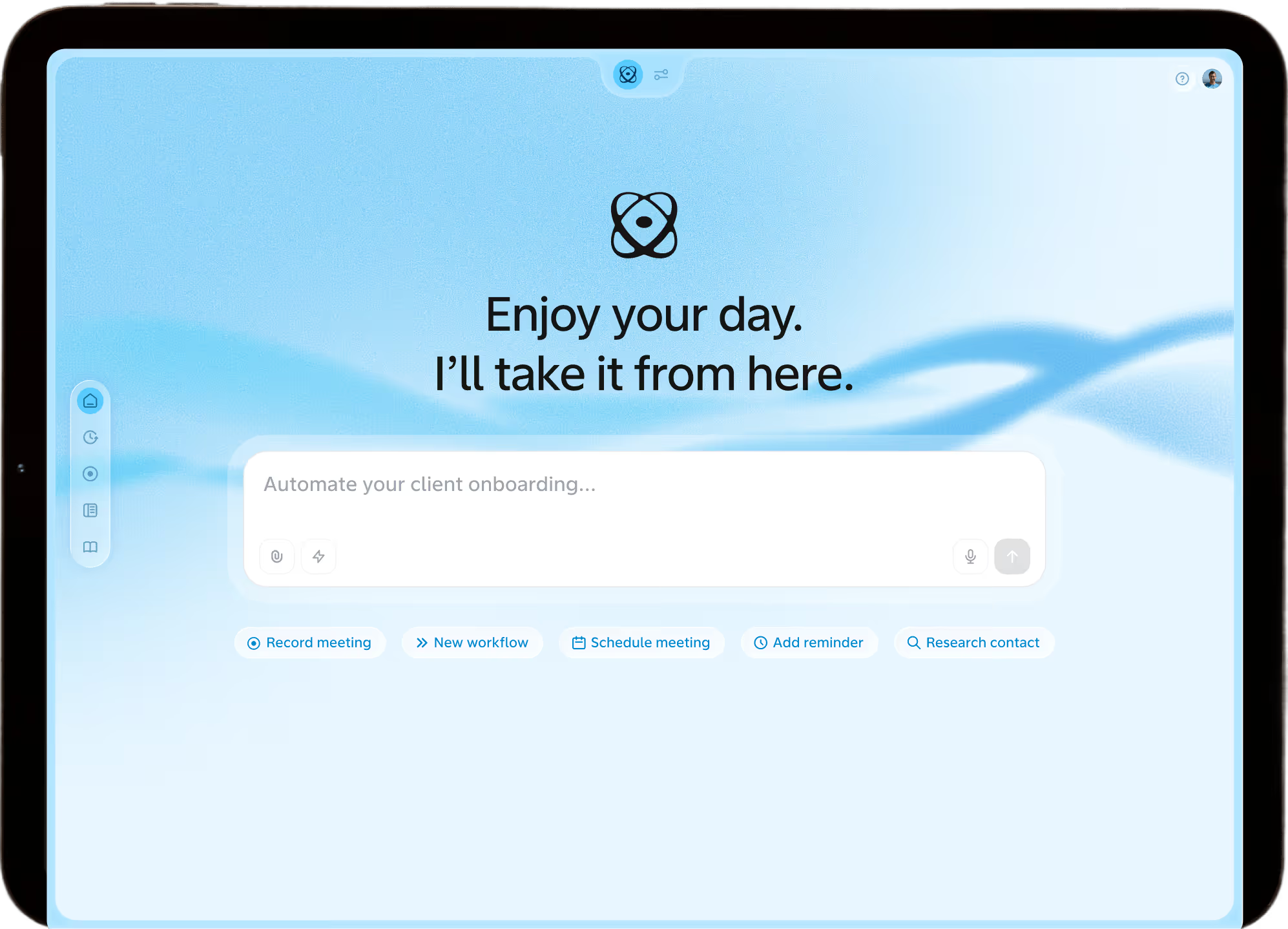
When Quin's notetaker joins a meeting, it captures the commitments and action items in the recap, then creates the matching card on the board and list tied to that workflow, filling in the title, description, due date, assignee, and labels based on what was said.
Quin also takes direct requests typed into chat. Ask "Create a card for the follow-up we discussed" and Quin builds it, or "Move the proposal card to In Progress" and Quin finds that card and moves it. Quin can update a card's due date, assignee, or labels, add a comment or attachment, and mark it complete. Deleting a card requires confirmation first.
Picture a client renewal call that ends with three commitments: update the contract terms, send a revised quote by Wednesday, and check in with the technical lead. Quin creates three cards on the Renewals board, in "Contracts," "Quotes," and "Follow-ups," each with the right due date, description, and assignee already filled in.
The value goes beyond skipping data entry. When cards show up the same day a commitment gets made, the team sees an accurate picture of what's in flight, and the task tracking a promised deadline exists the moment the call ends.
Best Practices
- Name boards and lists consistently. Quin matches on the names you use, so keep them steady rather than renaming often.
- Set a default board per meeting type. Decide which board a sales call or client renewal routes to.
- Keep labels short and specific. Short labels like "Urgent" are easier to apply correctly than long, one-off names.
- Check assignees against your member list. Quin can only tag people already on the board.
Setting It Up
Connect Trello under Settings, then Integrations, and select Trello from the list. Sign in when prompted, authorize Quin's access, and confirm the integration shows as "Active." Then turn on the workflow that fits your meetings and ask Quin to create a card for your next action item.
#skills