Building a Google Calendar workflow that starts from a conversation
June 12, 2026

Most calendar problems are specific to how a person works. A double-booking that happens every time a certain recurring meeting runs long. A pattern where external meetings never get a buffer before them. The built-in reschedule and prep behavior covers the general case, but a workflow built around a specific pattern can catch what the general case doesn't.
Where a custom calendar automation earns its place
- A recurring conflict that keeps happening, the kind where a fix once would save the same problem every week.
- A pattern specific to how you work, not something built for every calendar by default.
- A rule you'd otherwise have to remember to apply yourself, every single time.
How Quin's workflow generator builds it
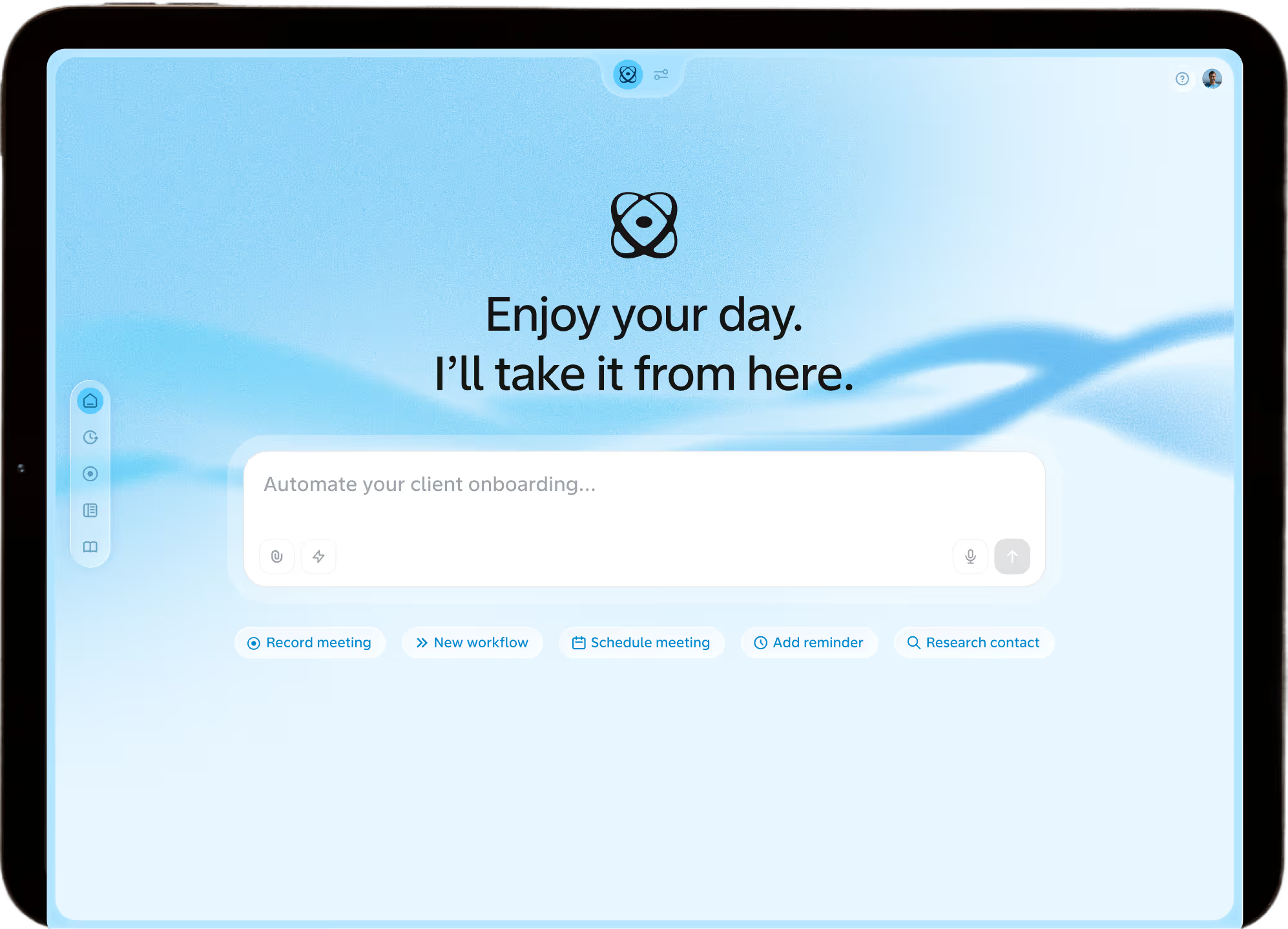
Instead of configuring a workflow field by field, you describe what you want in a sentence or two, and Quin expands it into a structured set of steps: what triggers it, what it checks, and what it does. Describing something like "if two meetings on my calendar overlap by more than five minutes, let me know before the day starts" is enough for Quin to build a workflow that checks for that pattern and flags it.
Once it's built, the workflow runs the way you described it: checking the calendar for that specific pattern and surfacing it, rather than waiting for you to notice a conflict yourself once it's already happened.
What this looks like in practice
Say a recurring Monday leadership meeting tends to run long, often eating into whatever's scheduled right after it. A workflow built around that pattern can check every Monday morning for anything booked too close to that meeting's end time and flag it early, instead of leaving you to notice it mid-meeting.
Best practices for building your own
- Start with a pattern you've run into more than once, not a hypothetical one. A real recurring problem is easier to describe clearly.
- Describe the trigger and the check separately in your own words, what should set it off, and what it should look for, since that's what Quin uses to build the structure.
- Test it against a real week before trusting it fully, to make sure it's catching what you meant it to catch.
- Adjust the wording if it's not quite right. Small changes to how you described the pattern usually fix a workflow that's not behaving as expected.
Setting it up
Connect Google Calendar under Settings, then Integrations, and use the workflow generator under Workflows to describe the pattern you want handled. From there, a specific scheduling problem gets a workflow built specifically for it, instead of a general rule that only sort of fits.
#skills